Piping Replacement in Denver, CO
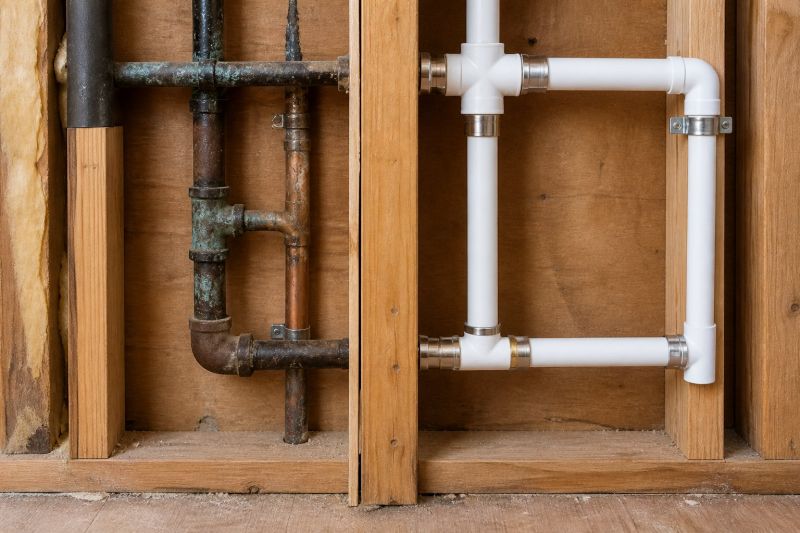
Piping replacement services involve removing and installing new pipes within a property to ensure reliable water flow and proper drainage. These projects typically address aging or damaged pipes, leaks, low water pressure, or outdated plumbing systems. Homeowners often seek piping replacement when experiencing persistent plumbing issues, planning major renovations, or preparing a property for resale. It’s important for property owners to understand the scope of the work, the types of pipes involved, and any potential disruptions to daily routines during the replacement process.
Before requesting piping replacement, property owners should consider the condition of existing plumbing, including pipe material and age. They may want to inquire about the best type of piping for their specific needs, the expected duration of the project, and any necessary permits or inspections. Understanding the overall process and potential impacts on the property can help ensure a smooth and informed experience during the replacement of plumbing systems.
Many property owners in Denver, CO look into Piping Replacement for repairs, replacements, upgrades, and appearance-related improvements.
Signs You Need Piping Replacement
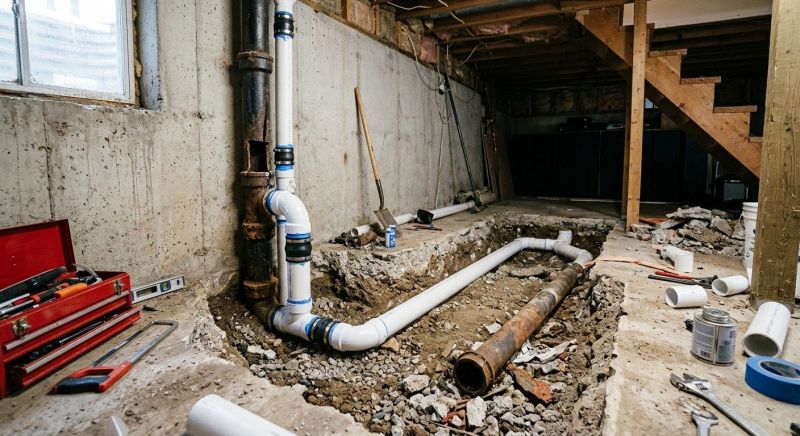
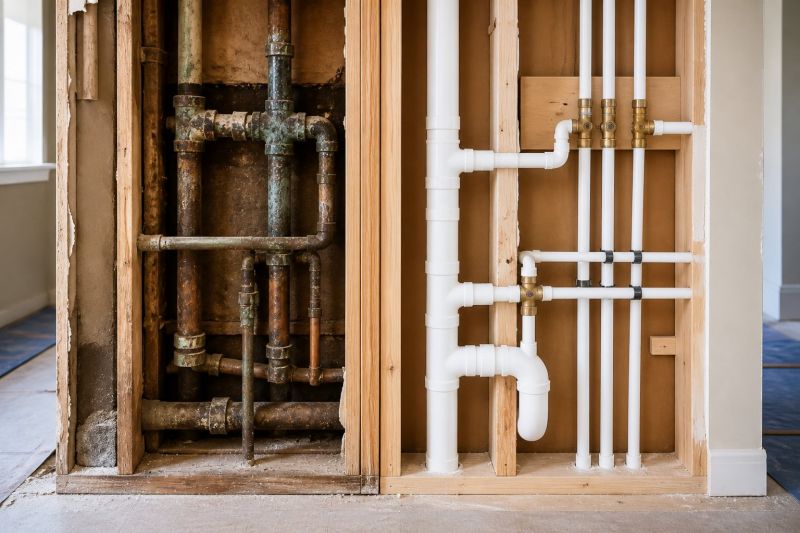
Corrosion, leaks, or low water pressure can indicate outdated or damaged pipes.
Types Of Piping Services Offered
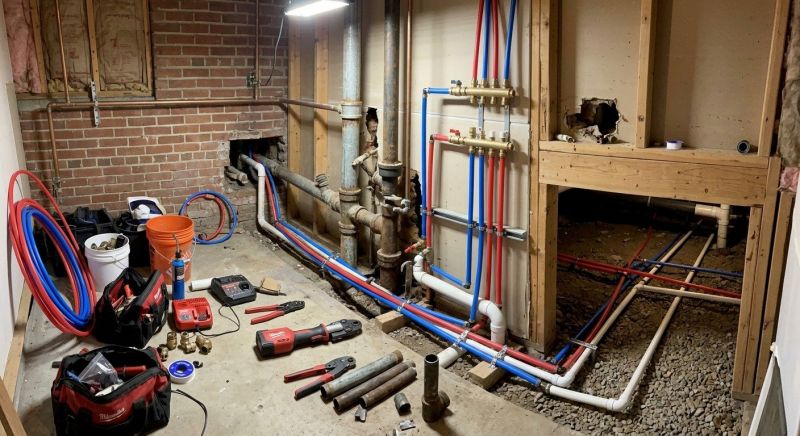
Replacement of old galvanized pipes, upgrading to modern materials, and repairing burst or leaking lines.
Benefits Of Piping Replacement
Enhanced water flow, increased home safety, and improved plumbing system reliability for denver homes.
Piping Replacement in Denver, CO

Piping replacement services involve removing and installing new pipes within a property to ensure reliable water flow and proper drainage. These projects typically address aging or damaged pipes, leaks, low water pressure, or outdated plumbing systems. Homeowners often seek piping replacement when experiencing persistent plumbing issues, planning major renovations, or preparing a property for resale. It’s important for property owners to understand the scope of the work, the types of pipes involved, and any potential disruptions to daily routines during the replacement process.
Before requesting piping replacement, property owners should consider the condition of existing plumbing, including pipe material and age. They may want to inquire about the best type of piping for their specific needs, the expected duration of the project, and any necessary permits or inspections. Understanding the overall process and potential impacts on the property can help ensure a smooth and informed experience during the replacement of plumbing systems.
Many property owners in Denver, CO look into Piping Replacement for repairs, replacements, upgrades, and appearance-related improvements.
Common Piping Replacement Jobs
Residential piping replacement involves upgrading aging or damaged pipes to ensure reliable water flow.
Leak repair and pipe rerouting addresses plumbing issues caused by pipe deterioration or remodeling projects.
Main water line replacement improves overall water pressure and prevents costly water damage.
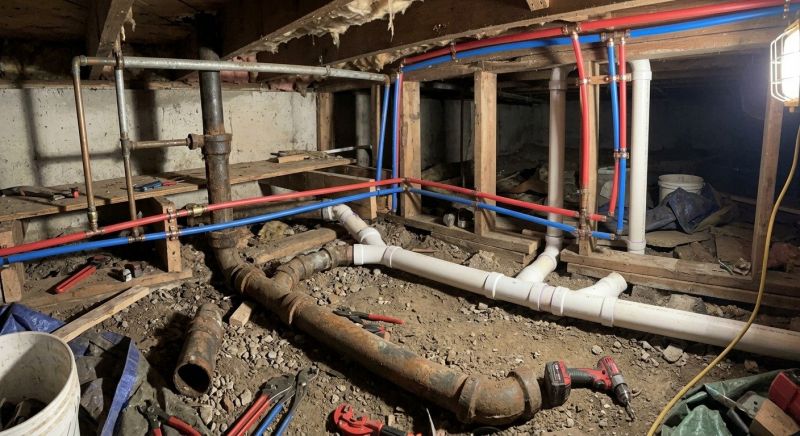
Underground piping upgrades replace corroded or broken pipes beneath the property for long-term durability.
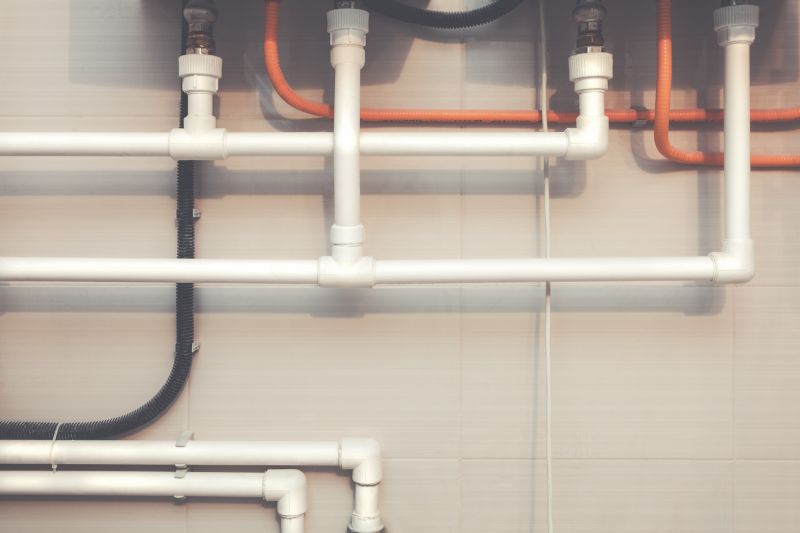
Fixture and appliance piping ensures proper connections for sinks, toilets, and appliances.
Emergency pipe replacement provides quick solutions for burst pipes and urgent plumbing failures.
Piping Replacement Questions
What are signs that piping needs replacement? Signs include frequent leaks, low water pressure, rust-colored water, or burst pipes.
Why consider piping replacement? Replacing old or damaged pipes can prevent water damage and improve plumbing performance.
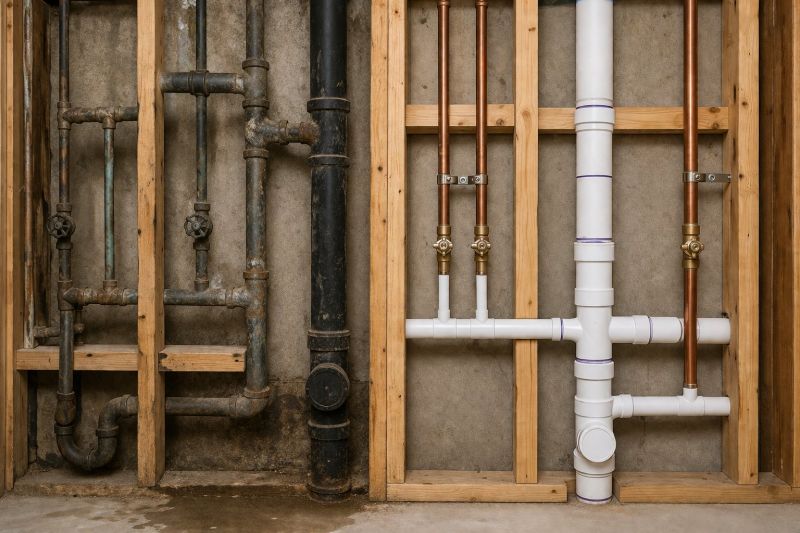
What types of pipes are commonly replaced? Copper, galvanized steel, and polybutylene pipes are often replaced due to age or deterioration.
How does piping replacement impact a property? It enhances water flow, reduces leak risks, and helps maintain a safe plumbing system.
Request Piping Replacement in Denver, CO
Use the quote form on this page to share the basics of your project and request more information for the type of work you need.