Get Drain Line Replacement
Drain line replacement services involve local contractors fixing or replacing damaged underground pipes to prevent backups, leaks, and costly property damage.
Property owners considering drain line replacement often face the task of evaluating various local service providers to find a reliable and experienced team. This type of work can be essential for maintaining proper drainage, preventing property damage, and ensuring the continued functionality of plumbing systems. Exploring your options and planning carefully can help ensure the project meets your needs and fits within your property’s unique requirements.
By comparing local contractors who specialize in drain line replacement, property owners can find professionals equipped to handle the complexities of the work with expertise. Continuing to read can provide valuable insights into how to select the right service provider and what practical considerations to keep in mind during the planning process.
- Drain Line Replacement - needed when existing drain lines are cracked, broken, or blocked, causing backups or leaks.
- Drain Line Repair - required if minor damages or leaks develop in underground or exposed drain pipes.
- Main Sewer Line Replacement - necessary when the main sewer line is severely damaged or clogged, leading to sewage backups.
- Storm Drain Line Replacement - needed for replacing damaged or clogged stormwater drainage pipes to prevent flooding.
- Drain Line Inspection Services - helpful for diagnosing issues and determining if a full replacement is needed.
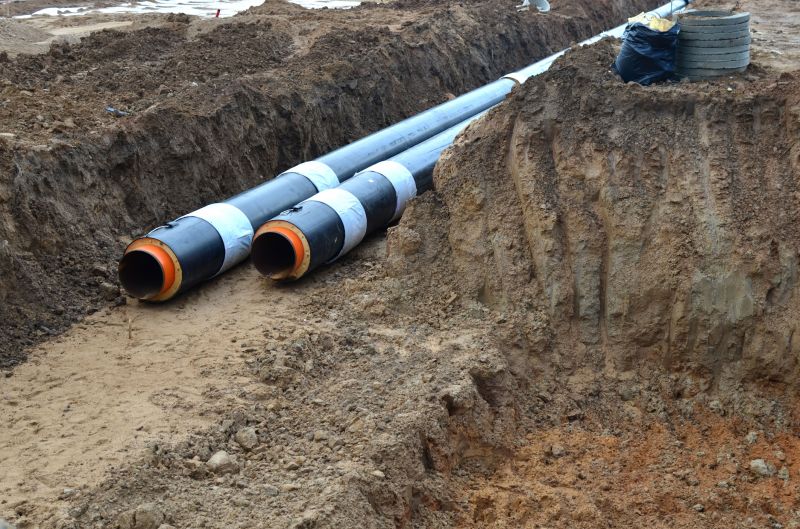
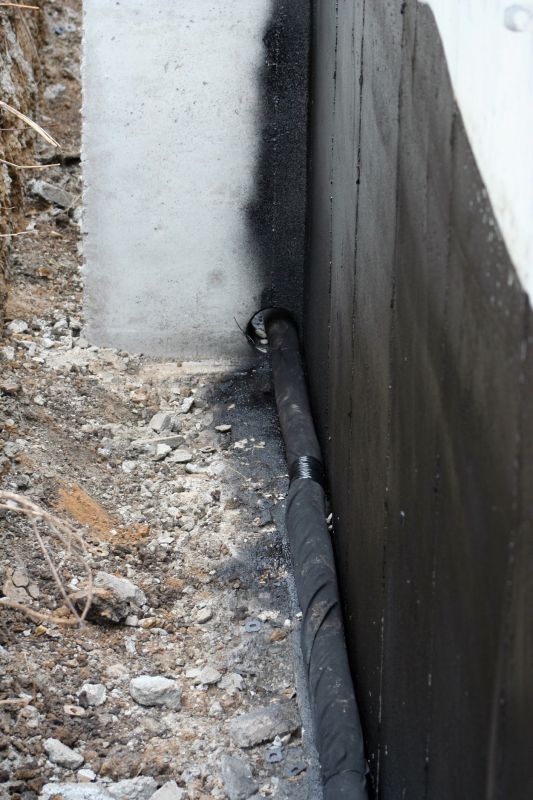
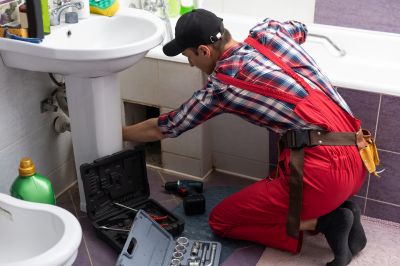
Drain line replacement services involve removing and installing new underground pipes that carry wastewater and stormwater away from a property. Over time, drain lines can experience wear and tear due to age, shifting soil, or root intrusion, leading to potential blockages, leaks, or even complete pipe failure. Professional contractors assess the condition of existing drain lines, identify issues, and perform the necessary work to ensure the plumbing system functions properly. This service helps restore proper drainage, prevent water damage, and maintain the overall integrity of a property’s plumbing infrastructure.
Many common problems signal the need for drain line replacement. These include persistent clogs that cannot be cleared with traditional methods, foul odors emanating from drains, slow drainage in sinks or toilets, or sewage backups in the home or yard. Additionally, visible signs such as lush patches of grass or standing water near the foundation may indicate underground leaks. Addressing these issues promptly with a drain line replacement can prevent more serious damage, costly repairs, and health hazards associated with sewage leaks.
Drain line replacement is often required for residential properties, including single-family homes, as well as multi-family complexes, commercial buildings, and industrial facilities. Older homes with outdated piping systems are particularly vulnerable to deterioration and may benefit from a full replacement. Properties located in areas with expansive or shifting soil, or those with tree roots nearby, also frequently need this service to prevent ongoing damage. Contractors experienced in drain line replacement can evaluate the specific needs of each property and recommend the most effective solutions to ensure long-term drainage performance.
When considering drain line replacement, property owners should look for local service providers with experience in handling underground plumbing systems. These professionals use specialized equipment and techniques to replace pipes efficiently and with minimal disruption. Whether dealing with a minor repair or a complete overhaul of the drainage system, connecting with qualified contractors can help ensure the work is done correctly. Properly replaced drain lines contribute to a safe, functional plumbing system that supports the overall health and value of a property.
The overview below groups typical Drain Line Replacement projects into broad ranges so you can see how smaller, mid-sized, and larger jobs often compare in your area.
In many markets, a large share of routine jobs stays in the lower and middle ranges, while only a smaller percentage of projects moves into the highest bands when the work is more complex or site conditions are harder than average.
Smaller Repairs - typical costs for minor drain line repairs usually range from $250 to $600. Many routine fixes fall within this range, depending on the extent of the damage and accessibility. Fewer projects push into the higher end when additional work or parts are needed.
Partial Replacement - replacing a segment of a drain line generally costs between $1,000 and $2,500. Larger, more involved projects are less common but can reach $3,500 or more if additional repairs or extensive excavation are required.
Full Drain Line Replacement - complete replacement of a drain line typically falls between $3,000 and $7,000. Many homeowners see projects in this range, though complex situations involving difficult access or extensive damage can push costs higher.
Complex or Emergency Jobs - highly complex or urgent drain line replacements may cost $8,000 or more. These projects are less frequent and usually involve challenging conditions or additional structural work that increases the overall cost.
Actual totals will depend on details like access to the work area, the scope of the project, and the materials selected, so use these as general starting points rather than exact figures.
Sewer Line Repairs - involves similar skills and tools to drain line replacement, focusing on diagnosing and fixing underground pipe issues.
Pipe Bursting Services - a trenchless method that shares planning and equipment with drain line replacement for replacing old or damaged pipes.
Bathroom and Kitchen Drain Repairs - requires knowledge of plumbing systems and access techniques similar to those used in drain line replacements.
Main Line Clearing - involves clearing blockages in primary sewer lines, utilizing similar equipment and planning as drain line work.
Foundation Drain Installation - involves installing drainage systems around foundations, requiring similar planning and pipe installation skills.
Storm Drain Repair - focuses on maintaining and repairing outdoor drainage systems, sharing tools and planning approaches with indoor drain line services.
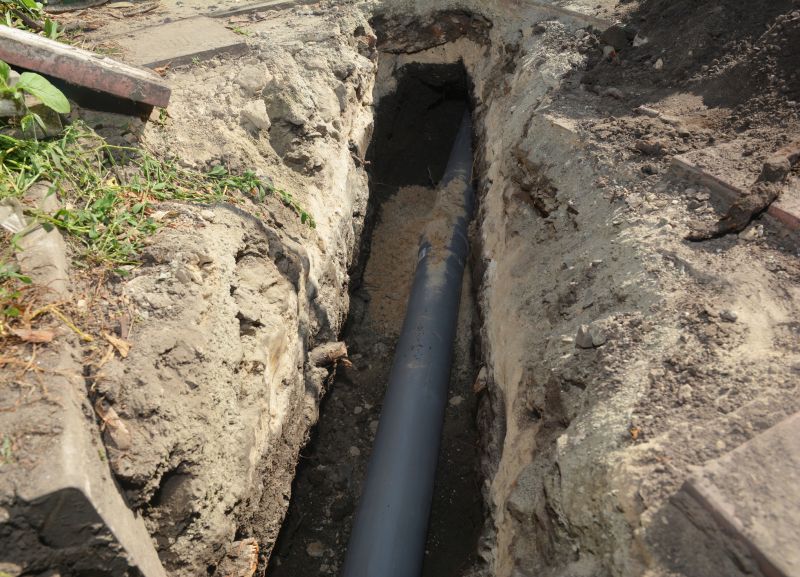
When evaluating potential contractors for drain line replacement, it’s important to consider their experience with similar projects. Homeowners should look for service providers who have a proven track record of handling drain line replacements comparable in scope and complexity to their own needs. Asking for details about past work can help determine if a contractor has the necessary expertise and familiarity with the specific challenges that might arise during the job. A contractor’s familiarity with local building codes and common issues in the area can also contribute to a smoother process and a more reliable outcome.
Clear, written expectations are essential when comparing local contractors for drain line replacement services. Homeowners should seek detailed estimates that outline the scope of work, materials to be used, and any assumptions or exclusions. Having a well-defined plan helps prevent misunderstandings and ensures that all parties are aligned on what the project entails. Service providers who communicate their process and expectations transparently can make it easier to compare options and select a contractor who matches the homeowner’s needs and preferences.
Reputable references and good communication are key indicators of a dependable service provider. Homeowners should ask potential contractors for references from previous clients who had similar work done. Contacting these references can provide insights into the contractor’s professionalism, reliability, and quality of work. Additionally, service providers who are responsive, clear in their communication, and willing to answer questions can foster a more comfortable and confident experience. It’s important to remember that this site introduces homeowners to local options and does not perform the work itself, so thorough research and careful comparison are recommended when choosing a contractor for drain line replacement.
Property owners use Drain Line Replacement services for practical projects around their homes and businesses. This guide focuses on everyday jobs and straightforward project options.
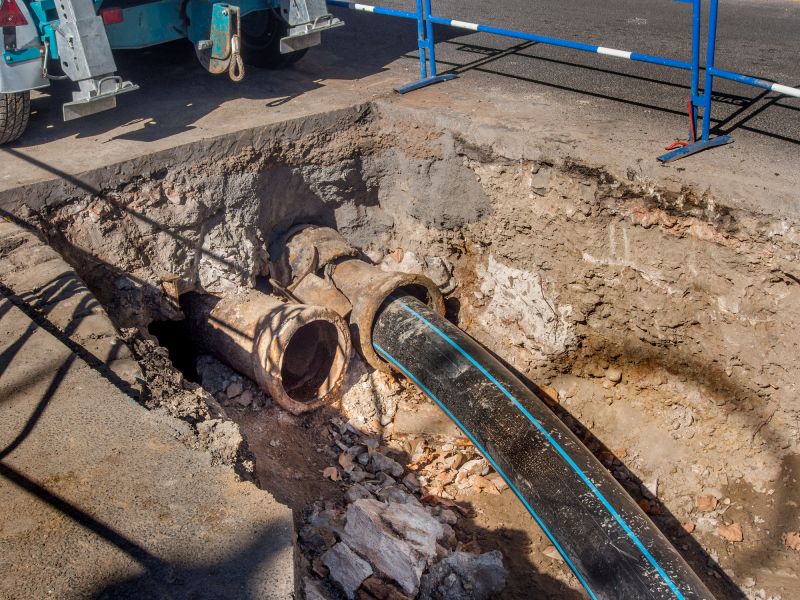
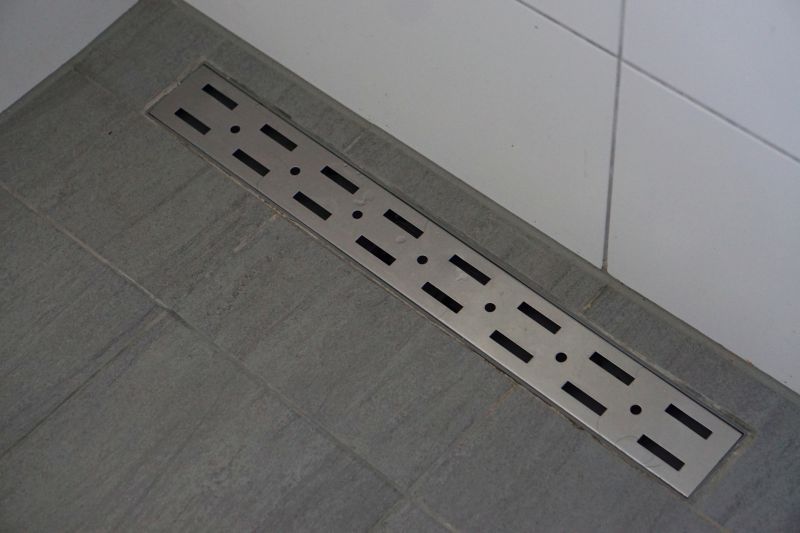
Drain line replacement services are often needed when property owners notice persistent clogs, slow drains, or foul odors coming from their plumbing systems. These issues can arise from aging pipes, tree root intrusion, or buildup of debris over time. Local contractors who specialize in drain line work can assess the situation and determine whether a replacement is necessary to restore proper drainage and prevent further damage.
In addition, property owners may seek drain line replacement after experiencing backups or flooding in basements or yards. Such problems can lead to property damage and health concerns if not addressed promptly. Local service providers can handle these projects efficiently, offering solutions that improve the reliability of the plumbing system and help maintain the property's overall condition.
What is drain line replacement? Drain line replacement involves removing and installing new underground pipes that carry wastewater from a property to the main sewer line.
Why might drain line replacement be necessary? It may be needed if existing drain lines are damaged, cracked, or clogged beyond repair, leading to potential backups or leaks.
How do local contractors handle drain line replacement? They typically assess the condition of existing pipes, determine the best replacement method, and install new drain lines using appropriate techniques.
What are common signs that indicate drain line replacement is needed? Signs include persistent clogs, foul odors, slow draining fixtures, or visible damage to the pipes or surrounding areas.
Can drain line replacement be performed without extensive excavation? Yes, some local service providers use trenchless techniques that minimize digging and disruption during replacement.
Drain Line Replacement Planning - Property owners can explore options for replacing aging or damaged drain lines to prevent future plumbing issues.
Kitchen and Bathroom Renovations - Upgrading drain lines during remodels ensures proper flow and reduces the risk of leaks in updated spaces.
Flood Prevention Measures - Replacing drain lines can be part of a strategy to improve drainage and minimize flood risks during heavy rains.
Foundation and Basement Protection - Ensuring drain lines are functioning properly helps maintain structural integrity and keeps basements dry.
If you are thinking about Drain Line Replacement for a property, this guide is meant to help you understand the work, the typical project types, and how different options might fit your plans.
When you are ready, you can use the quote form on this page to share a few details about your project. From there, local pros can review the basics and respond with options that match what you have in mind.